Thanks for the Memories
Medical Humanities Blog Post
THANKS FOR THE MEMORIES
Panel Event inspired by the premiere of the opera Dangerous Matter on the life of Lady Mary Wortley Montagu
Authors:
Dr Zakiya Leeming, Thanks for the Memories (T4TM) Co-director & RNCM PRiSM Associate Composer (Royal Northern College of Music, Centre for Practice & Research in Science & Music)
Dr Rachel Hindmarsh, T4TM Public Engagement Facilitator (Oxford University, Nuffield Department of Medicine).
In October the Oxford Medical Humanities Research Hub and the Uehiro Oxford Institute supported the Thanks for the Memories panel discussion at the History of Science Museum: an interdisciplinary event bringing immunologists, a medical historian and a composer into conversation with the public. The sold-out event was inspired by the premiere of the opera Dangerous Matter, which dramatised the remarkable yet largely forgotten life of Lady Mary Wortley Montagu. Her early eighteenth-century advocacy for smallpox inoculation not only reduced mortality but also helped establish the principles of preventive intervention that made later advances—such as Edward Jenner’s development of vaccination—possible.
Using her story as a metaphor for how unconventional T-cells work in the body, Sidney Truelove Professor of Gastroenterology Professor Paul Klenerman (University of Oxford) and composer Zakiya Leeming (Royal Northern College of Music) collaborated to create the opera, which sought to weave narratives and scientific processes together to communicate both current science and forgotten history. The event was opened by Uehiro Institute Senior Research Fellow Dr Alberto Giubilini, and the panel was chaired by Thanks for the Memories Public Engagement Facilitator Dr Rachel Hindmarsh. Joining the team were Postdoctoral Immunologist Lisa Ciacchi (University of Oxford) and Professor of Global History of Medicine Erica Charters (University of Oxford) who explored wider themes of the project including the role of arts in communicating science, questions of safety, trust and confidence in public health, and the overlooked contributions of women in the history of medicine.
With opportunities for audience engagement throughout, the discussion covered a range of topics, each preceded by a screening of a different part of the opera. The scene in the Turkish Baths at Sofia introduced a moment of epiphany experienced by Montagu, when she realised that none of the 200 women present bore any mark of the smallpox that she herself had survived, but been scarred by. Erica Charters provided insight into the difference between inoculation and the modern vaccine, leading to audience reflection on links between early inoculation debates and contemporary concerns around vaccines and misinformation. Lisa Ciacchi further reflected on how scientific innovation often begins with creative and cross-disciplinary observation.
The next clip introduced mechanisms of the immunological process inside the body when it is faced with an invading virus, through the playful theatrics and experimental vocals of the Lymphocytes scene. This provided an opportunity for Paul Klenerman and Zakiya Leeming to discuss their collaborative working strategy for the project and opera, prompting discussion on how the arts can communicate complex scientific concepts, or make medical narratives more emotionally resonant, as a compelling way of rebuilding trust in science. Audience members commented on the power of collaboration and interdisciplinarity, using the metaphor of immunological memory to suggest that recovering and sharing these hidden histories can act like a cultural “booster,” strengthening our collective resilience and helping us better anticipate and respond to future challenges.
The final excerpt presented the Newgate experiment – the first formal trial of inoculation in England overseen by Montagu’s surgeon, Dr Charles Maitland. This led the panel to discuss the gendered element of Montagu’s advocacy including the barriers she faced in introducing the method, as well as the personal cost of promoting a procedure for children seen as potentially dangerous. Her criticism of the unnecessary preparations insisted upon by the English medical authorities also put her at odds with the establishment even after the adoption of the practice, further estranging her from many sections of society even as she continued to be called upon to oversee the procedure in some aristocratic houses. A member of the audience posed the thoughtful question of why Montagu maintained trust in the unprepared Turkish method above the views of the physicians in England, to which the panel reflected on the informal setting of the practice Montagu observed in Turkey and how it was led by women engaged within communities, provoking consideration of the gendered nature of vaccine hesitancy today and the importance of trust in medical practice.
The event was followed by a drinks reception, where the audience and panel gathered in the ambient Entrance Gallery. Panel members and attendees continued to discuss how we might rethink the way we share and remember science and its contributors, and what new possibilities are revealed when we approach these questions through collaboration and interdisciplinarity. Bringing together performance art, medical and scientific research, and history provided new ways to discuss profound themes of memory, innovation, and trust, as well as how we can continue to build community through projects and events such as these.
Thanks to the Oxford Medical Humanities Research Hub and the Uehiro Institute for supporting this event. Additional thanks to the British Society for Immunology for providing additional support, and to the History of Science Museum team for hosting us.
View excerpts of the opera here:
Excerpt 2 (Lymphocytes) https://www.youtube.com/watch?v=djBaxy9I1Ok
For more information about the project and opera see
T4TM web page (https://www.immunology.ox.ac.uk/about/public-engagement/thanks-for-the-memories-t4tm)
NCCPE write up (https://www.publicengagement.ac.uk/whats-happening/pep-network/thanks-memories-music-meets-science),
write up on the Oxford website (https://www.immunology.ox.ac.uk/news/world-premiere-of-dangerous-matter-opera-inspired-by-vaccine-science-and-history-as-part-of-thanks-for-the-memories-project).
Images of the History of Science Museum
Photo credit: Fisher Studios Ltd
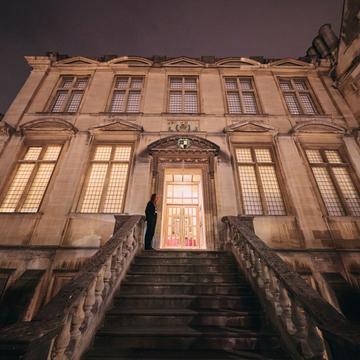
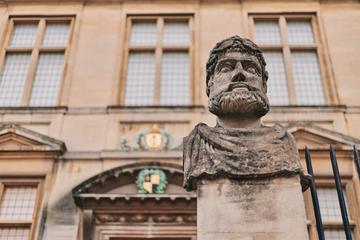
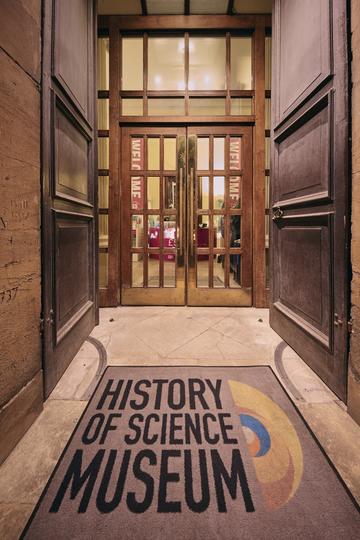
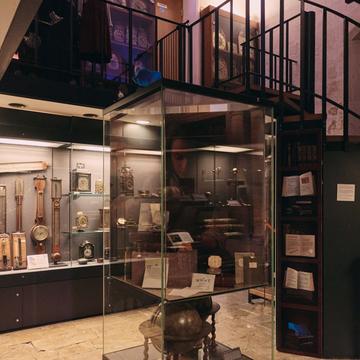
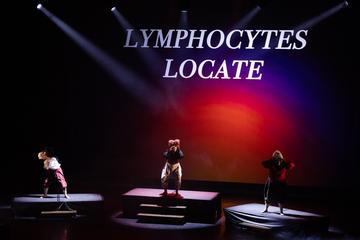
Photo credit: Robin Clewley Photography. Featuring Yu Chinen, Ankur Dang & Jasmine Higgs as Lymphocytes.

